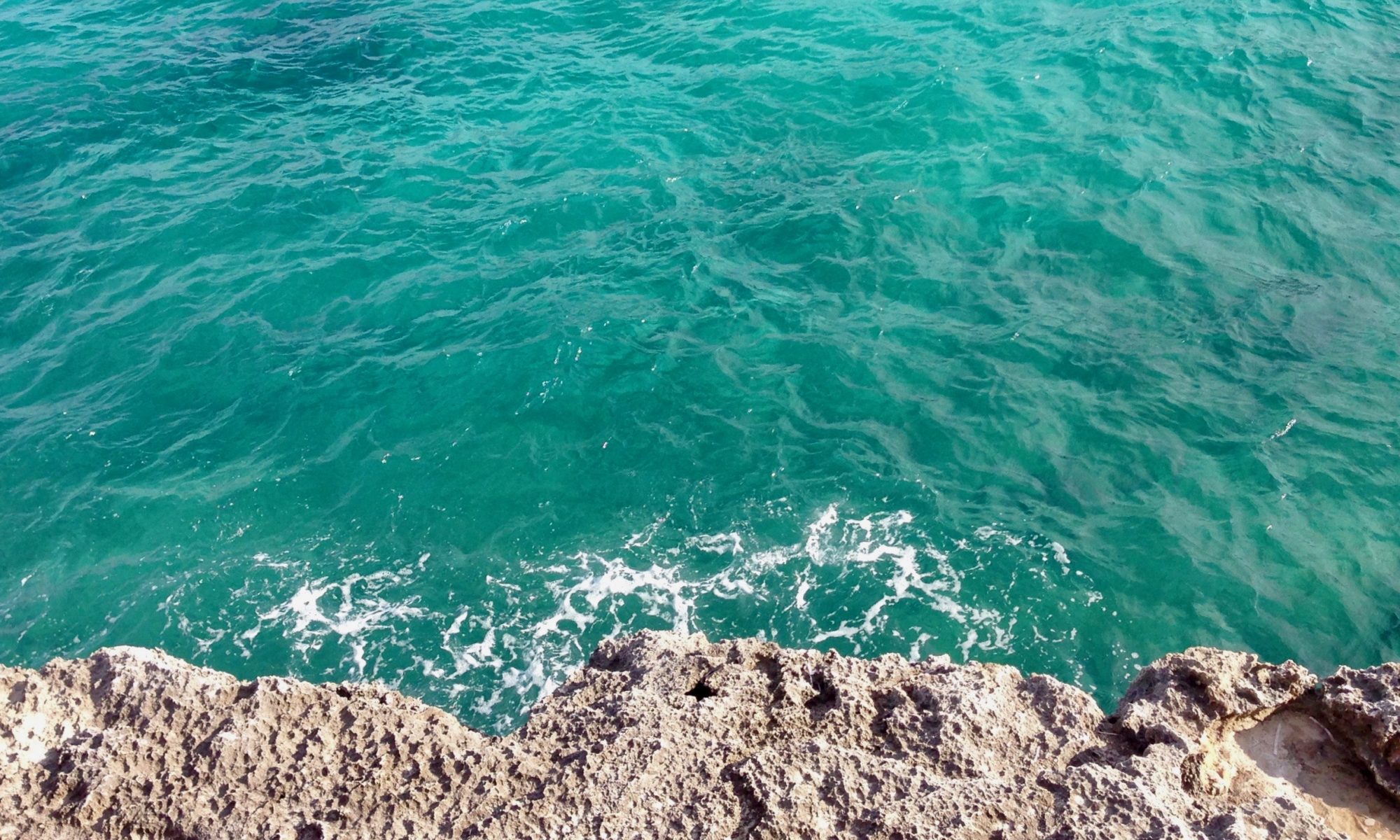
- Coastal serenity awaits with the lucky wave and its captivating ocean energy
- The Physics and Formation of Exceptional Waves
- Cultural Significance and Superstitions Surrounding Waves
- The Role of Luck and Timing in Surfing
- Beyond Surfing: The Universal Appeal of Exceptional Waves
- Ocean Conservation and Our Connection to Waves
Coastal serenity awaits with the lucky wave and its captivating ocean energy
The allure of the ocean has captivated humanity for millennia, drawing us to its shores for solace, adventure, and a sense of connection to something vast and powerful. Within this boundless expanse, certain moments stand out – moments of perfect synchronicity where the elements align to create a truly magical experience. One such moment is encountering a lucky wave, a phenomenon that resonates with surfers, beachgoers, and anyone who appreciates the raw beauty of the natural world. These aren’t simply waves for riding; they’re perceived as bearers of good fortune, symbols of positive energy, and reminders of the ocean’s generous spirit.
The concept of a “lucky wave” extends beyond the purely physical experience of surfing. It taps into a deeper human desire for meaning and connection. Many cultures around the globe attribute spiritual significance to the ocean and its waves, seeing them as representations of life’s ebb and flow, and as messengers from the divine. A particularly beautiful or powerfully formed wave can feel like a personal sign, a moment of grace, or a confirmation that one is on the right path. This feeling of connection is amplified when shared – when a surfer connects with a perfect barrel, or when a group witnesses a breathtaking sunset wave together.
The Physics and Formation of Exceptional Waves
While the idea of a “lucky wave” often feels intuitive and subjective, the formation of truly exceptional waves is rooted in complex physical processes. It’s not simply about chance, but about the confluence of several meteorological and oceanographic factors. Wind plays a critical role, transferring energy from the atmosphere to the water’s surface, creating ripples that grow into swells. The strength, duration, and fetch (the distance over which the wind blows) all influence the size and power of these swells. Further out at sea, these swells travel long distances, often originating thousands of miles away from the coastline where they eventually break.
However, waves don’t simply break randomly. The shape of the seafloor is crucial. Reefs, sandbars, and underwater canyons can focus wave energy, causing it to steepen and eventually break in a predictable pattern. These underwater features act as natural wave-shaping tools, creating different types of waves suitable for various activities. Point breaks, for example, are formed when waves wrap around a headland, providing long, peeling rides. Beach breaks, on the other hand, break more irregularly over a sandy bottom. Understanding these fundamental principles of wave formation is key to appreciating why some waves feel truly special and why surfers seek out particular spots known for consistently producing exceptional swells.
| Wave Characteristic | Influencing Factor |
|---|---|
| Wave Height | Wind Speed, Duration, Fetch |
| Wave Period | Distance of Swell Travel |
| Wave Shape | Seafloor Topography (Reefs, Sandbars) |
| Wave Power | Combination of Height and Period |
The framing of a distinctly ‘lucky’ or memorable wave isn’t just about height or power, but about how these factors combine. A near perfect wave will have a clean face, a well-defined peak, and a consistent shape over a significant distance, offering a prolonged and exhilarating ride. These kinds of conditions, though less frequent, are the waves that build legends and inspire awe.
Cultural Significance and Superstitions Surrounding Waves
Throughout history, waves have been imbued with symbolic meaning across diverse cultures. In Polynesian traditions, the ocean is considered a sacred realm, and waves are seen as spirits or manifestations of deities. Skilled surfers were often held in high esteem, regarded as intermediaries between the human and spiritual worlds. Similarly, in Japanese culture, waves – represented in iconic woodblock prints like Hokusai’s “The Great Wave off Kanagawa” – are powerful symbols of both beauty and destruction, evoking a sense of the ocean’s untamable force. Many coastal communities have developed unique rituals and superstitions related to waves, often involving offerings or prayers to appease the sea gods and ensure safe passage and bountiful harvests.
The concept of a “lucky wave” can also be linked to the broader human tendency to find patterns and meaning in random events. We're primed to see faces in clouds or find significance in coincidences. This predisposition might explain why certain waves feel particularly auspicious or brimming with positive energy. The feeling of being ‘in the zone’ while surfing, where time seems to slow down and every movement feels effortless, contributes to this sense of heightened awareness and connection. It’s a state often described as meditative, fostering a sense of gratitude and appreciation for the natural world.
- Waves often symbolize change and the cyclical nature of life.
- Many cultures see waves as messengers from the spiritual realm.
- The sound of waves is known for its calming and therapeutic effects.
- Waves represent power, both destructive and creative.
- Surfing itself is often viewed as a spiritual practice.
These layered cultural perceptions solidify the influence of waves beyond their physical presence, and into the realm of human experience and belief. This is why a wave might be remembered not just for its size or shape, but for the feeling it evoked – a feeling of joy, peace, or even transformative realization.
The Role of Luck and Timing in Surfing
For surfers, encountering a “lucky wave” is often a combination of skill, patience, and, yes, luck. Even the most experienced surfer can’t control the ocean; they can only position themselves optimally and wait for the right opportunity. Timing is everything. Paddling into a wave too early or too late can result in a wipeout, while catching it at the perfect moment can lead to an exhilarating ride. This element of uncertainty and the constant need to adapt to changing conditions make surfing a uniquely challenging and rewarding pursuit.
The feeling of luck associated with a truly phenomenal wave is often amplified by the scarcity of such opportunities. Waves that offer long, hollow barrels or perfectly sculpted faces are rare, and successfully navigating them requires a significant amount of skill and judgment. When everything aligns – the wave, the surfer, and the conditions – it feels like a stroke of luck, a gift from the ocean. This reinforces the idea that some waves are simply meant to be ridden, destined to provide a moment of pure, unadulterated joy.
- Thorough wave forecasting and understanding of local surf conditions are crucial.
- Developing strong paddling technique is essential for catching waves.
- Mastering the art of reading waves and anticipating their behavior takes practice.
- Maintaining physical fitness and mental focus are vital for peak performance.
- Respecting the ocean and its power is paramount for safety and enjoyment.
Even with all the preparation, there remains an element of the unpredictable, leading to the cherished feeling of catching that perfectly timed wave. It’s this intersection of skill and chance that makes each ride unique and contributes to the mystique of the ‘lucky wave’.
Beyond Surfing: The Universal Appeal of Exceptional Waves
The allure of a “lucky wave” isn't confined to the surfing community. Anyone who spends time by the ocean can experience a similar sense of wonder and appreciation when witnessing a particularly spectacular wave. Whether it's a massive swell crashing against a rugged coastline, a gentle ripple lapping at the shore, or a breathtaking sunset wave painted in vibrant hues, the ocean’s waves have a universal appeal. They evoke feelings of peace, tranquility, and awe, reminding us of the power and beauty of the natural world.
Photographers and artists have long been captivated by the ocean’s waves, seeking to capture their essence in their work. From the dramatic seascapes of J.M.W. Turner to the contemporary wave photography of Clark Little, artists have used various techniques to convey the energy, movement, and ephemeral beauty of waves. These artistic representations serve as a testament to the enduring fascination humans hold for these ever-changing forms.
Ocean Conservation and Our Connection to Waves
The experience of encountering a “lucky wave” – and the sheer joy it brings – underscores the importance of ocean conservation. Healthy oceans are essential for producing the waves we love, and protecting marine ecosystems is crucial for ensuring that future generations can experience the same wonder. Factors such as pollution, climate change, and unsustainable fishing practices are all threatening the health of our oceans and the delicate balance of marine life. It’s imperative that we take action to reduce our impact on the ocean and preserve its natural beauty. Supporting organizations dedicated to ocean conservation, reducing our plastic consumption, and advocating for responsible environmental policies are all steps we can take to make a difference. Recognizing the intrinsic value of the ocean and its waves, and cherishing the experiences they provide, is a powerful motivator for protecting this vital resource.
Perhaps the next time you find yourself by the ocean, take a moment to simply observe the waves. Not just as a physical phenomenon, but as a symbol of life, change, and the interconnectedness of all things. And if you’re fortunate enough to witness a truly exceptional wave – a ‘lucky wave’ – allow yourself to fully embrace the moment and appreciate the gift that the ocean has bestowed upon you. It's a reminder of the wild beauty that still exists in the world, and the importance of safeguarding it for generations to come.