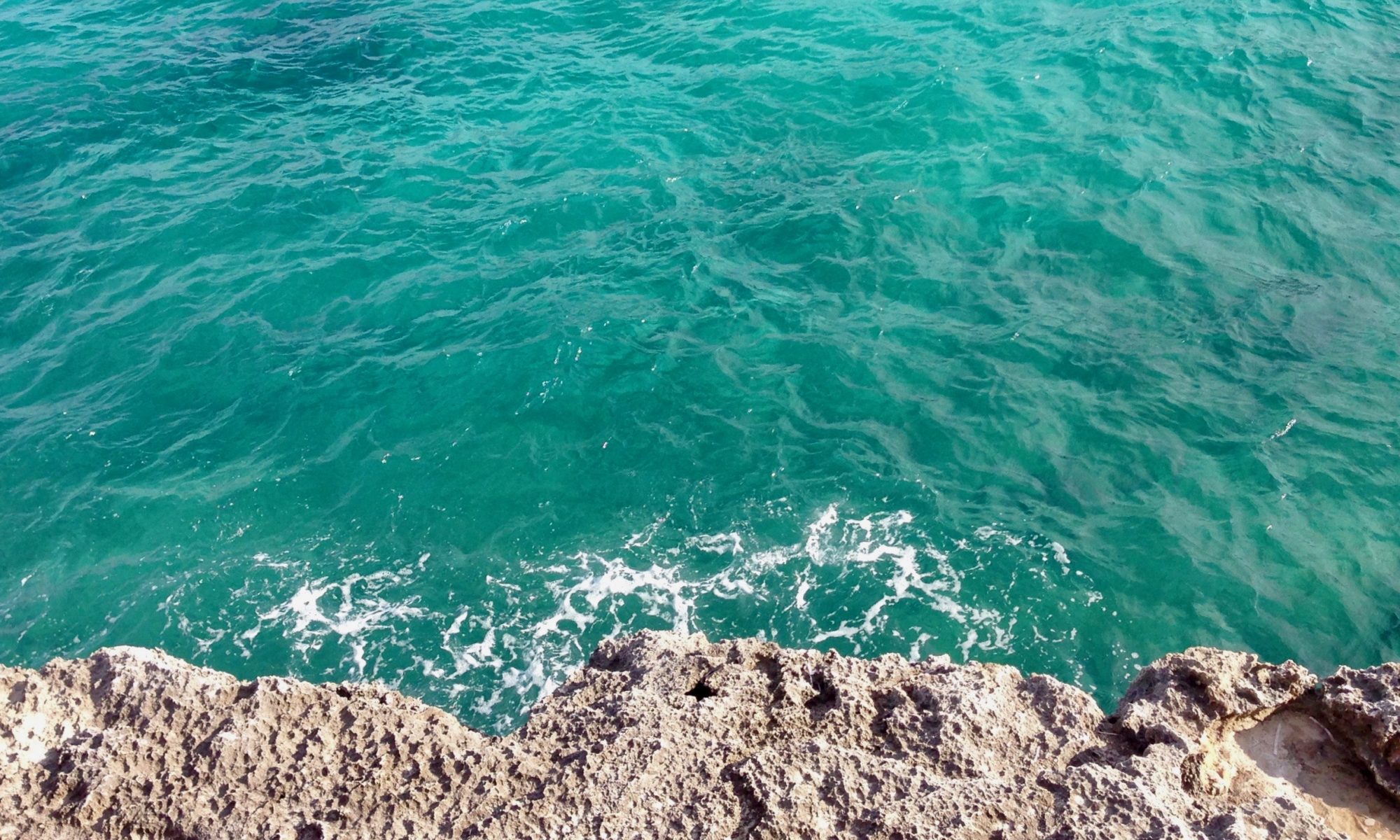
- Coastal journeys exploring Icelands famous chicken road offer unique adventures
- Navigating the Highland Terrain
- Vehicle Considerations and Preparation
- The Scenic Highlights of the F26
- Planning Stops & Campsites
- River Crossings: A Crucial Skill
- Preparing for Unforeseen Circumstances
- The Growing Popularity and Responsible Travel
- Future Considerations for Highland Exploration
Coastal journeys exploring Icelands famous chicken road offer unique adventures
Iceland, the land of fire and ice, offers a plethora of unique travel experiences. Among these, venturing along the less-traveled routes provides a thrilling sense of discovery. One such route, gaining increasing notoriety among adventurers and off-road enthusiasts, is often referred to as the chicken road. This isn't a formally named road, but rather a colloquial term for the F26, a mountain road traversing the southern highlands, known for its challenging terrain and stunning, isolated beauty. It's a path that demands respect, preparation, and a capable vehicle, but rewards those who undertake it with views and experiences unavailable elsewhere.
The appeal of the F26 lies in its raw, untamed nature. Unlike the well-maintained Ring Road that circles the island, the F26 is a gravel and rocky track, frequently incorporating river crossings. These aren’t shallow trickles; they can range from a few inches to over a foot deep, depending on the time of year and recent rainfall. This is why the nickname "chicken road" caught on – it’s a test of nerve and vehicle capability, often separating the adventurous from those preferring more conventional travel. The landscape is dramatic, shifting from volcanic deserts to lush green valleys, offering a glimpse into the heart of Iceland’s geological wonders.
Navigating the Highland Terrain
Successfully traversing the F26 requires more than just a 4×4 vehicle. Careful planning and preparation are essential. The road is typically only open during the summer months, usually from late June to September, depending on snow conditions. Checking road conditions before setting out is absolutely crucial. The Icelandic Meteorological Office (Vedur.is) provides detailed information on road closures, river levels, and weather forecasts. Ignoring these warnings can lead to getting stranded or, worse, finding yourself in a dangerous situation. Beyond checking conditions, travelers should be prepared for rapidly changing weather, even during the summer. Layers of clothing, waterproof gear, and sufficient food and water are non-negotiable. A satellite phone or other reliable communication device is highly recommended, as cell phone service is spotty at best along the route.
Vehicle Considerations and Preparation
The right vehicle is paramount. While a standard 4×4 can handle portions of the F26, a vehicle with higher ground clearance is strongly recommended. Modified SUVs or dedicated off-road vehicles are ideal. Before embarking on the journey, ensuring your vehicle is in excellent mechanical condition is vital. This includes checking tires (robust all-terrain tires are a must), fluids, brakes, and suspension. Furthermore, carrying spare tires, tools, and recovery gear – such as a winch, tow rope, and shovel – is essential for dealing with potential issues. It's also a good idea to familiarize yourself with basic vehicle recovery techniques. Don’t attempt river crossings without assessing the depth and current first; and if uncertain, turn back.
| Vehicle Type | Suitability | Recommended Tires | Essential Gear |
|---|---|---|---|
| Standard 4×4 | Limited – handle some sections | All-Terrain | Spare tire, basic tools, extra fuel |
| Modified SUV | Good – handles most sections | Mud-Terrain | Winch, tow rope, shovel, recovery boards |
| Dedicated Off-Road Vehicle | Excellent – ideal for all sections | Mud-Terrain | Comprehensive tools, satellite phone, extra fuel & water |
The table above provides a general guideline; careful consideration of your vehicle's capabilities and the expected conditions is crucial. Always err on the side of caution and prioritize safety.
The Scenic Highlights of the F26
The F26 isn’t just about the challenging drive; it’s about the breathtaking scenery. The route passes through a diverse landscape, offering spectacular views at every turn. One of the most iconic stops is Landmannalaugar, a geothermal area renowned for its colorful rhyolite mountains and natural hot springs. Soaking in the warm waters after a day of driving is an unforgettable experience. Further along the route, you'll encounter the Ljótipollur crater, a stunning explosion crater filled with a deep blue lake. The stark contrast between the red crater walls and the azure water is truly mesmerizing. The area around Frostastaðavatn lake also presents stunning photographic opportunities and opportunities for hiking. The vast, open landscapes and the sense of isolation create a feeling of being truly immersed in nature.
Planning Stops & Campsites
Several campsites are located along or near the F26, offering basic facilities like toilets and running water. Landmannalaugar has a large and popular campsite, while smaller, more secluded campsites can be found at other locations. Booking campsites in advance, especially during peak season, is highly recommended. Wild camping is generally prohibited in Iceland, but permitted in some areas under specific conditions. Always check local regulations before setting up camp. In addition to campsites, there are a few mountain huts along the route, providing basic accommodation for hikers. These huts often require advance booking and may offer limited facilities. Remember to pack out all your trash and leave no trace behind.
- Landmannalaugar: Geothermal hot springs and colorful mountains.
- Ljótipollur: Stunning explosion crater with a deep blue lake.
- Frostastaðavatn: Beautiful lake and hiking trails.
- Eldgjá: A massive volcanic canyon.
- Hnausapollur: Another explosion crater with a vivid blue lake
These are just a few of the highlights awaiting those who venture along the F26. Each location offers unique opportunities for exploration and appreciation of Iceland’s natural beauty.
River Crossings: A Crucial Skill
The river crossings on the F26 are arguably the biggest challenge. These aren’t like driving through a paved ford; they require careful assessment, technique, and a degree of courage. Before attempting any crossing, it’s vital to assess the depth and current. Never attempt to cross a river if you’re unsure of its depth or if the current is too strong. Walk upstream a short distance to find the shallowest and most stable point. Once in the water, maintain a steady speed and avoid sudden braking or acceleration, as this can cause you to lose control. Keep your engine revving to prevent water from entering the engine air intake. If you encounter a particularly challenging crossing, consider turning back or seeking assistance from other travelers. Remember that river levels can change rapidly, so always be prepared for the unexpected.
Preparing for Unforeseen Circumstances
Even with meticulous planning, unforeseen circumstances can arise. Weather conditions can deteriorate rapidly, rivers can swell unexpectedly, and vehicles can break down. It’s crucial to have a plan in place for dealing with these situations. Carry a comprehensive first-aid kit and know how to use it. Inform someone of your travel plans and expected return date. Consider carrying a personal locator beacon (PLB) or satellite messenger, which can be used to summon help in an emergency. Be prepared to spend a night or two in your vehicle if necessary, so pack extra food, water, and warm clothing. And most importantly, don’t panic. Stay calm, assess the situation, and make rational decisions.
- Assess river depth and current before crossing.
- Choose the shallowest and most stable crossing point.
- Maintain a steady speed and avoid sudden movements.
- Keep the engine revving to prevent water intake.
- Be prepared for changing weather conditions.
Adhering to these steps significantly increases safety and minimizes risk when navigating the challenging terrain of the F26. Safe travel is paramount.
The Growing Popularity and Responsible Travel
The "chicken road" has seen a surge in popularity in recent years, thanks to increased media coverage and social media sharing. While this increased awareness is positive for tourism in Iceland, it also brings challenges. Increased traffic can lead to erosion and environmental damage, and irresponsible driving can put both travelers and the natural environment at risk. It's essential for all visitors to practice responsible travel, respecting the fragile ecosystem and minimizing their impact. Stick to marked trails, avoid disturbing vegetation, and leave no trace behind. Be mindful of other travelers and share the road. And most importantly, prioritize safety and be prepared for the challenges that the F26 presents. The preservation of this unique landscape depends on the collective responsibility of all who visit.
Future Considerations for Highland Exploration
As the popularity of highland routes like the F26 continues to grow, ongoing discussions are taking place regarding infrastructure improvements and access management. There's a delicate balance between providing access for visitors and protecting the fragile environment. Potential solutions include investing in more robust road maintenance, establishing designated campsites with improved facilities, and implementing a permit system to regulate traffic flow. The Icelandic government is also exploring options for promoting sustainable tourism practices and educating visitors about responsible travel. Furthermore, advancements in vehicle technology – like improved 4×4 systems and more capable off-road tires – could make these routes more accessible to a wider range of vehicles, but this must be carefully considered alongside environmental impacts. The future of highland exploration in Iceland hinges on finding a harmonious balance between accessibility and preservation.