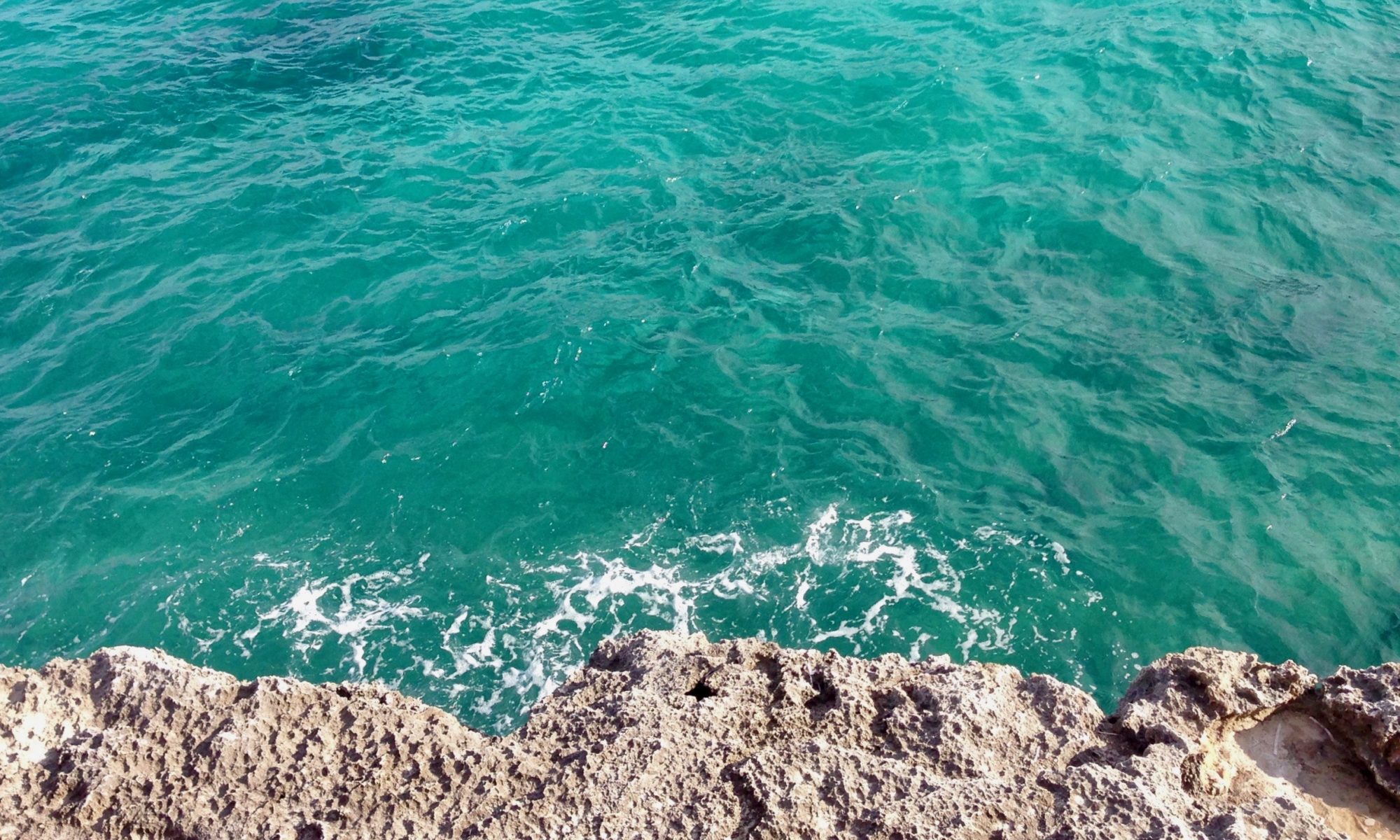
- Intricate patterns reveal the power of a lucky wave in coastal formations
- The Geological Foundations of Wave Formation
- The Influence of Atmospheric Conditions
- Decoding Wave Patterns and Predicting the 'Lucky Wave'
- The Cultural Significance of Waves
- Beyond Surfing: Coastal Management and Wave Energy
Intricate patterns reveal the power of a lucky wave in coastal formations
The ocean, a realm of constant motion and unpredictable energy, often displays moments of surreal beauty. Among these captivating spectacles, the formation of a particularly well-formed, aesthetically pleasing wave can feel like something special, a fleeting instance of harmony amidst chaos. Locals in coastal communities often speak of a ‘lucky wave’, not necessarily as a superstitious belief in good fortune directly linked to the wave itself, but as a recognition of the rare conditions that align to create a perfect break, a moment of exhilaration for surfers, or simply a breathtaking visual experience for observers. This convergence of factors – swell direction, tide, wind, and seabed contours – makes each impactful wave a unique event.
These striking formations aren’t solely admired by those who pursue ocean sports. Coastal geologists, marine biologists, and even artists see value in studying and capturing these transient events. The way a wave interacts with the shoreline can reveal a great deal about the underlying geological structure of the coast, influencing erosion patterns and sediment deposition. Furthermore, the power of the ocean, visibly expressed in these powerful waves, sculpts coastlines over millennia, creating the dramatic landscapes we often take for granted. The energy contained within a truly significant wave is immense, a force capable of both creation and destruction.
The Geological Foundations of Wave Formation
The creation of a wave, let alone a visually spectacular one, involves a complex interplay of forces both far out at sea and close to shore. The initial energy typically originates from distant storms – winds blowing across vast expanses of water transfer energy to the surface, generating swells. These swells then travel across the ocean, losing some energy through dispersion but gaining organization. As these swells approach shallower coastal waters, something remarkable begins to happen. The bottom friction slows down the wave’s base while the top continues at a faster pace, leading to a steepening of the wave face. This is the fundamental process behind the breaking of a wave. The specific shape of the coastline – the presence of reefs, sandbars, or points – dramatically influences how this energy is focused and released.
The composition of the seabed also plays a crucial role. Rocky coastlines tend to produce steeper, more powerful waves that break quickly, offering challenging conditions for experienced surfers. Sandy beaches, on the other hand, allow for more gradual wave builds and longer rides. A changing seabed, particularly one with shifting sandbars, can create unpredictable and dynamic wave conditions, offering both excitement and risk. Understanding the geological makeup of a coastline is, therefore, essential for predicting and interpreting wave patterns. The presence of submarine canyons, for example, can focus wave energy, creating particularly large and powerful swells. These geological features can provide incredible surfing opportunities, though they also demand respect for the ocean's raw power.
| Rocky Headland | Steep, powerful, fast-breaking waves |
| Sandy Beach | Gentle, rolling waves, longer rides |
| Reef Break | Hollow, powerful waves, often consistent |
| Sandbar | Dynamic, shifting wave patterns, can be powerful |
Furthermore, the angle at which waves approach the shore influences the formation of longshore currents, which can redistribute sand and further modify the coastline. The interaction between these currents and the seabed creates rip currents, powerful channels of water flowing away from the shore, a significant hazard for swimmers and surfers alike. Therefore, the coastline is not merely a passive receiver of wave energy, but an active participant in the wave-forming process.
The Influence of Atmospheric Conditions
While the geological structure sets the stage, atmospheric conditions act as the director, shaping the character of each individual wave. Wind direction and strength are primary factors. An offshore wind – blowing from the land towards the sea – holds up the wave face, creating clean, well-defined barrels favoured by surfers. An onshore wind – blowing from the sea towards the land – tends to chop up the wave face, making it more messy and less predictable. The intensity and duration of the wind also affect wave size and consistency. A prolonged period of strong winds over a large area can generate significant swells that travel long distances.
Tidal influence is another critical component. The height of the tide alters the depth of water over reefs and sandbars, significantly changing the way waves break. Some breaks work best at high tide, others at low tide, and still others at a specific point in between. Predicting tidal patterns is therefore vital for anyone seeking to understand or enjoy the ocean's waves. Atmospheric pressure also plays a role, with lower pressure systems generally associated with increased wave activity. Understanding the relationship between high and low-pressure systems and their impact on wave generation is a complex but essential aspect of oceanographic forecasting.
- Offshore winds create clean, barreling waves.
- Onshore winds create choppy, disorganized waves.
- Tidal height affects wave break points.
- Low-pressure systems generally increase wave activity.
The interplay of these atmospheric conditions creates a constantly evolving environment, making each wave a unique expression of the forces at play. A skilled surfer doesn't just ride the wave; they read the wind, the tide, and the swell direction, anticipating the wave’s behavior and adapting their technique accordingly. This intimate knowledge of the ocean’s rhythms is what separates a casual observer from a true waterman.
Decoding Wave Patterns and Predicting the 'Lucky Wave'
Predicting when and where a ‘lucky wave’ will appear is a complex undertaking that blends scientific observation with local knowledge. Modern wave forecasting utilizes sophisticated computer models that simulate the generation and propagation of swells, taking into account wind patterns, atmospheric pressure, and ocean currents. These models can provide reasonably accurate predictions of swell size, direction, and period several days in advance. However, they often lack the resolution to capture the intricate details of local wave behavior, particularly the influence of seabed features.
This is where local knowledge comes into play. Experienced surfers and coastal residents develop an intuitive understanding of how waves break at specific locations under different conditions. They can often identify subtle clues – changes in wind direction, unusual currents, or patterns in the foam – that indicate the potential for a particularly good wave. They understand how the energy of the swell interacts with the unique bathymetry of their local break. Examining historical wave data, including buoy readings and past swell events can also help predict future wave conditions. This combined approach – scientific forecasting and local expertise – is the most effective way to increase the odds of encountering a ‘lucky wave’.
- Analyze long-range swell forecasts.
- Consider local wind conditions.
- Observe tidal patterns.
- Utilize historical wave data.
- Incorporate local knowledge and intuition.
Furthermore, the development of real-time wave monitoring systems, such as high-resolution coastal radar and wave buoys, is providing increasingly accurate and detailed information about wave conditions. These systems can detect the arrival of swells, measure wave height and direction, and even identify potentially dangerous wave events, enhancing both safety and the pursuit of the perfect wave.
The Cultural Significance of Waves
Beyond their scientific and recreational value, waves hold deep cultural significance for coastal communities around the world. For centuries, waves have been intertwined with myths, legends, and spiritual beliefs. In many Polynesian cultures, the ocean is considered a sacred space, and waves are seen as embodiments of powerful deities. Surfing, in particular, evolved from a spiritual practice to a competitive sport, with the ‘lucky wave’ representing not only a physical challenge but also a connection to ancestral traditions. The ability to read the ocean and anticipate its rhythms was – and remains – a sign of respect and mastery.
In other cultures, waves symbolize change, resilience, and the cyclical nature of life. The constant ebb and flow of the tide mirrors the rhythms of the human body and the passage of time. Coastal art and literature are often filled with imagery of waves, reflecting their power, beauty, and mystery. The sound of waves crashing against the shore is a universally recognized symbol of tranquility and relaxation, offering a respite from the stresses of modern life. This inherent connection between humans and the ocean speaks to a deep, evolutionary bond.
Beyond Surfing: Coastal Management and Wave Energy
Understanding wave dynamics is not only crucial for recreational activities but also essential for effective coastal management. Waves are a primary driver of coastal erosion and flooding, posing significant threats to infrastructure and human populations. Accurate wave forecasting and modeling are vital for designing coastal defenses, such as seawalls and breakwaters, to protect vulnerable areas. The impact of climate change, specifically rising sea levels and increased storm frequency, exacerbates these threats, demanding innovative and sustainable coastal management strategies. Furthermore, a thorough understanding of wave patterns is critical for ensuring the safety of shipping lanes and ports.
Looking towards the future, waves represent a potentially significant source of renewable energy. Wave energy converters (WECs) are devices designed to harness the power of ocean waves and convert it into electricity. While still in the early stages of development, WEC technology has the potential to contribute significantly to a more sustainable energy future. Different types of WECs are being explored, including oscillating water columns, point absorbers, and overtopping devices, each with its own advantages and disadvantages. The challenge lies in developing WECs that are robust, efficient, and environmentally friendly, capable of withstanding the harsh conditions of the open ocean and minimizing their impact on marine ecosystems.
The pursuit of harnessing wave energy, alongside ongoing research into coastal protection and the continued enjoyment of the ocean’s beauty, emphasizes the importance of continuing to study and understand the intricate dynamics of these powerful forces. The ‘lucky wave’ then, is not just a moment of personal joy for a surfer, but a symbol of the ocean's immense power and potential, a reminder of the need for responsible stewardship and continued exploration.