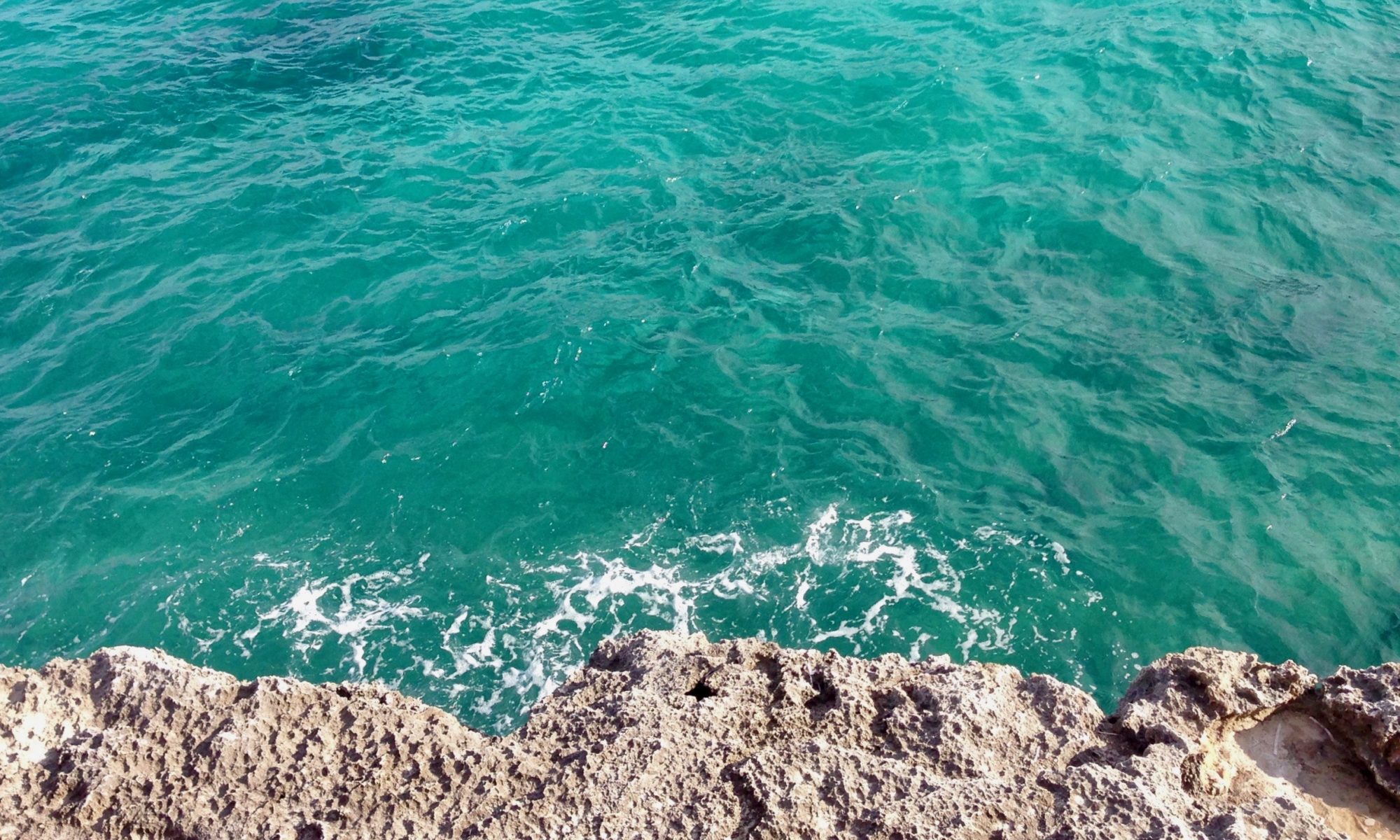
- Genuine exploration reveals pacific spins and coastal charm for ultimate getaways
- Unveiling the Coastal Ecosystems
- The Role of Marine Protected Areas
- Exploring Coastal Cultures and Traditions
- Planning Your Coastal Adventure: Practical Considerations
- The Growing Appeal of Responsible Coastal Tourism
- Beyond the Horizon: Future Trends in Coastal Exploration
Genuine exploration reveals pacific spins and coastal charm for ultimate getaways
The allure of coastal destinations is timeless, drawing travelers seeking relaxation, adventure, and a break from the everyday. Among these sought-after escapes, locations offering unique experiences stand out. Exploring the unique charm of coastal regions frequently reveals hidden gems, and the term pacific spins evokes images of tranquil waters, vibrant cultures, and the promise of unforgettable journeys. These coastal havens aren’t just about picturesque views; they’re about immersing oneself in a lifestyle, savoring local flavors, and discovering the stories woven into the fabric of the land.
From secluded beaches to bustling harbors, the coast presents a diverse range of experiences. Whether one seeks thrilling water sports, serene moments of contemplation, or a vibrant nightlife, the coastline provides. Careful planning is vital to unlock the authentic essence of these destinations and crafting an itinerary that aligns with individual preferences – whether that be luxurious indulgence or rustic exploration – marks the beginning of an exceptional voyage.
Unveiling the Coastal Ecosystems
Coastal ecosystems are among the most dynamic and biodiverse on Earth, playing a crucial role in global health. They are complex interactions between land, sea, and atmosphere, resulting in unique habitats like coral reefs, mangrove forests, and estuaries. These environments support a vast array of plant and animal life, contributing significantly to fisheries, tourism, and overall ecological balance. Understanding the fragility of these ecosystems is paramount and responsible travelers recognize the importance of minimizing their impact.
The delicate balance within these ecosystems is constantly shifting, influenced by factors like climate change, pollution, and human activity. Conservation efforts are becoming increasingly critical, ranging from establishing marine protected areas to promoting sustainable fishing practices. Local communities often play a vital role in these initiatives, possessing centuries of traditional knowledge about the environment and its resources. Supporting these communities strengthens both ecological resilience and cultural preservation.
The Role of Marine Protected Areas
Marine Protected Areas (MPAs) are designated regions of the ocean where human activities are restricted to conserve marine ecosystems and biodiversity. These areas can range from fully protected ‘no-take’ zones to areas with limited fishing or tourism. Effective MPAs provide numerous benefits, including healthier fish populations, coral reef restoration, and increased resilience to climate change impacts. Establishing well-managed MPAs requires collaboration between governments, local communities, and scientific organizations.
MPAs aren't just beneficial from an ecological perspective. They also contribute to economic sustainability by supporting tourism and fisheries in the long run. A thriving marine environment attracts divers, snorkelers, and anglers, generating revenue for local businesses. Research conducted within MPAs also provides valuable insights into ocean processes and informs conservation strategies globally. The success of an MPA hinges on enforcement, monitoring, and adaptive management.
| Ecosystem Type | Key Features | Threats | Conservation Efforts |
|---|---|---|---|
| Coral Reefs | High biodiversity, structural complexity, shoreline protection | Climate change, pollution, destructive fishing practices | Marine Protected Areas, coral restoration projects |
| Mangrove Forests | Coastal protection, nursery grounds for fish, carbon sequestration | Deforestation, aquaculture, coastal development | Reforestation projects, sustainable aquaculture practices |
| Estuaries | Mixing of fresh and saltwater, high productivity, important bird habitats | Pollution, habitat loss, altered freshwater flow | Watershed management, pollution control, habitat restoration |
Successfully protecting these fragile coastal ecosystems requires a holistic approach. This means not only addressing direct threats like pollution and overfishing, but also considering the broader impacts of climate change and unsustainable development. Collaboration, education, and a commitment to long-term stewardship are essential for preserving these invaluable resources for future generations.
Exploring Coastal Cultures and Traditions
Coastal communities around the world have developed unique cultures and traditions intricately linked to the sea. Generations have relied on the ocean for sustenance, trade, and spiritual inspiration, resulting in a rich tapestry of customs, art forms, and culinary practices. These cultures offer valuable insights into sustainable living and the importance of respecting the natural world. Truly immersive travel experiences involve engaging with local communities and learning from their wisdom.
From traditional fishing techniques to vibrant maritime festivals, coastal cultures celebrate their connection to the sea in remarkable ways. Indigenous knowledge systems often hold invaluable ecological insights, providing guidance on resource management and conservation. Supporting local artisans and businesses helps to preserve these cultural traditions and fosters economic empowerment within coastal communities. Responsible tourism plays a vital role in ensuring that cultural heritage is valued and protected, not exploited.
- Sustainable Fishing Practices: Learning about and supporting communities that practice sustainable fishing is essential for preserving fish stocks and marine ecosystems.
- Traditional Navigation Techniques: Many coastal cultures possess unique navigational skills passed down through generations, utilizing knowledge of stars, currents, and wave patterns.
- Maritime Folklore and Storytelling: Stories and legends about the sea often encapsulate cultural values, beliefs, and the relationship between humans and the ocean.
- Coastal Cuisine and Culinary Traditions: Seafood-based cuisines reflect the abundance of the ocean and the culinary ingenuity of coastal communities.
The preservation of coastal cultures is crucial not only for maintaining diversity but also for promoting sustainable development. When communities are empowered to protect their cultural heritage, they are more likely to invest in the long-term health of their environment and their economies. Respectful and responsible travel fosters mutual understanding and strengthens the bonds between visitors and local populations.
Planning Your Coastal Adventure: Practical Considerations
Embarking on a coastal adventure requires careful planning to ensure a safe, enjoyable, and responsible experience. Consider factors such as the time of year, weather conditions, and the specific activities you plan to undertake. Researching local regulations, customs, and potential hazards is essential. Packing appropriately – including sunscreen, insect repellent, and appropriate clothing – will enhance your comfort and safety.
Choosing eco-friendly accommodations and transportation options minimizes your environmental impact. Supporting local businesses and respecting local cultures contributes to sustainable tourism. Being mindful of your consumption patterns – reducing waste, conserving water, and avoiding single-use plastics – demonstrates respect for the environment and local communities. Prioritize experiences that promote learning and cultural exchange, rather than purely consumerist activities.
- Research Destination Specifics: Understand the local climate, potential hazards, and cultural norms of your chosen destination.
- Pack Appropriately: Bring clothing suitable for various weather conditions, along with essentials like sunscreen, insect repellent, and a first-aid kit.
- Choose Eco-Friendly Options: Select accommodations and transportation that minimize environmental impact.
- Respect Local Customs: Be mindful of local traditions, dress codes, and etiquette.
- Practice Responsible Consumption: Reduce waste, conserve water, and support local businesses.
Beyond logistical preparations, cultivating a spirit of flexibility and open-mindedness can enhance your travel experience. Be prepared to adapt to unexpected situations and embrace the opportunity to learn from different cultures. Remember that responsible travel is not just about minimizing harm, it’s about contributing positively to the places you visit and the people you meet.
The Growing Appeal of Responsible Coastal Tourism
There’s a noticeable shift in the tourism landscape, with an increasing demand for responsible and sustainable travel options. Travelers are becoming more aware of the environmental and social impacts of their choices and are actively seeking experiences that align with their values. This trend is driving innovation in the tourism industry, with more businesses adopting sustainable practices and offering eco-friendly tours. Promoting pacific spins and responsibly is key to the future.
This growing awareness extends beyond environmental concerns to encompass social and economic considerations. Travelers are increasingly interested in supporting local communities, preserving cultural heritage, and ensuring that tourism benefits the people who call these destinations home. This shift is creating opportunities for more authentic and enriching travel experiences, fostering deeper connections between visitors and the places they explore. The demand for experiential travel – focusing on immersion and learning – is also rising.
Beyond the Horizon: Future Trends in Coastal Exploration
The future of coastal exploration will likely be shaped by advancements in technology, a deeper understanding of marine ecosystems, and a continued emphasis on sustainability. Innovations in areas such as eco-tourism, marine conservation, and renewable energy will play a crucial role in protecting these vulnerable environments. The increasing accessibility of remote coastal areas will open up new possibilities for exploration, but also necessitate responsible management.
One emerging trend is the use of citizen science initiatives, where travelers can actively participate in data collection and research projects. This not only enhances their travel experience but also contributes valuable information to scientific understanding of coastal ecosystems. Another area of growth is the development of regenerative tourism models, which aim to not only minimize negative impacts but also actively restore and enhance the environment and local communities. These innovations will help ensure that future generations can enjoy the beauty and bounty of our coastlines, continuing the allure of peaceful coastal destinations for years to come.